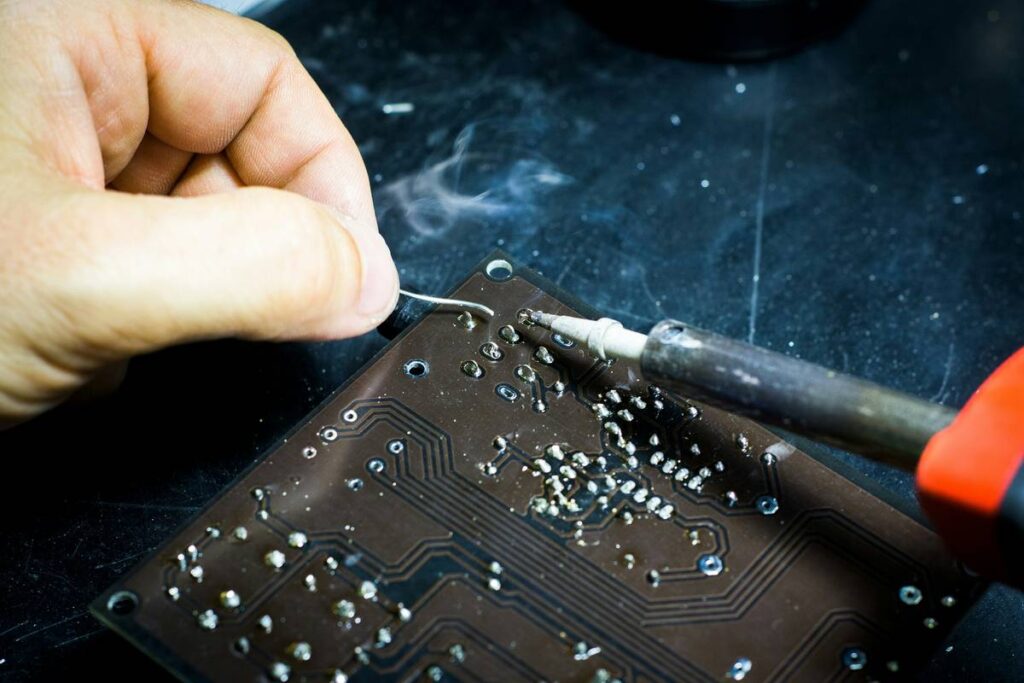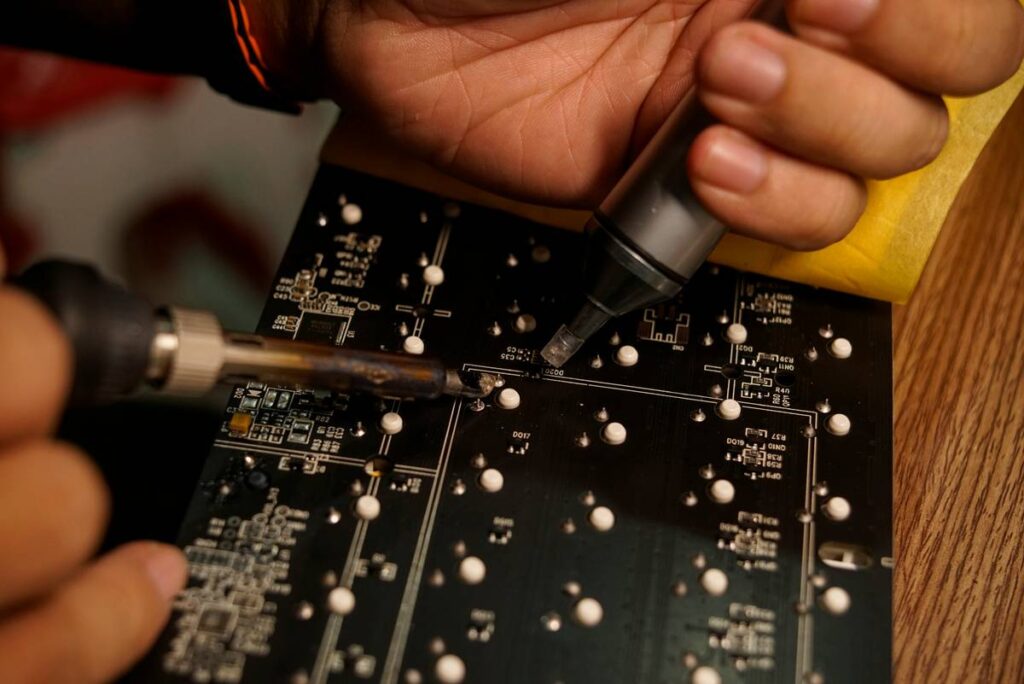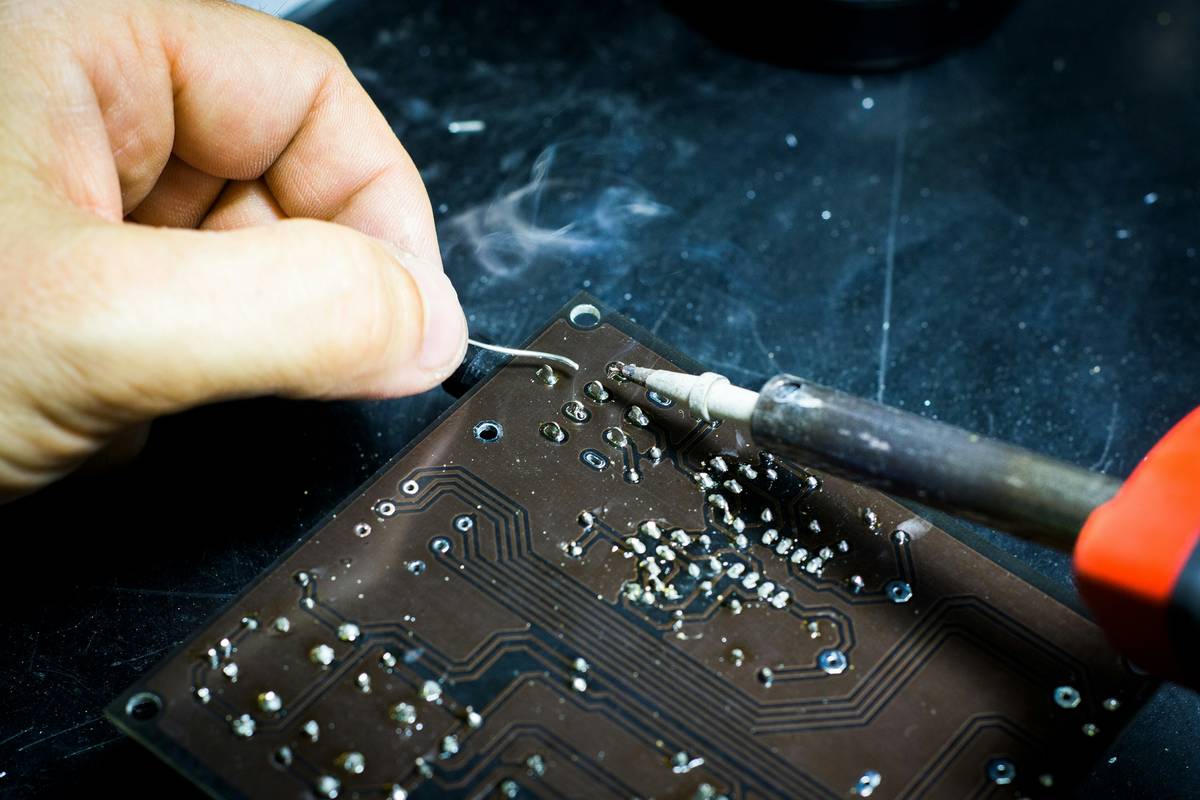
Ever stood in a sun-baked Sydney garage, sweating over a wobbly gas soldering iron sydney tools purchase—only to watch the flame sputter out mid-joint while your copper wire cools into a brittle, cold-solder lump? I have. Three years ago, I bought a $29 “professional-grade” butane iron from a hardware stall at Marrickville Market. No pressure regulator. No flame lock. Just me, a shaky hand, and a puff of gas that vanished every time I tilted it more than 15 degrees. The joint failed. The PCB trace lifted. And my client—a local electrician restoring vintage lighting in Surry Hills—had to rebook the whole job.
If you’re sourcing reliable gas soldering irons in Sydney, you’re not just buying heat—you’re buying precision, repeatability, and safety in Australia’s variable climate (high humidity near the coast; dry inland air that fuels erratic combustion). This guide cuts through the noise with field-tested insights—from ignition physics to local supplier vetting—so your next gas soldering iron sydney tools purchase works *the first time*, every time.
Table of Contents
- Key Takeaways
- Why Gas Soldering Irons Matter in Australian Home Improvement
- How to Choose & Set Up Your Gas Soldering Iron
- 5 Best Practices for Safe, Consistent Results
- Real Sydney Projects: Before & After Heat Control
- FAQs About Gas Soldering Irons in Sydney
Key Takeaways
- Gas soldering irons deliver instant, portable heat—ideal for outdoor electrical upgrades or older homes without stable power (e.g., heritage-listed properties in Balmain or Paddington).
- Butane fuel purity matters: Impure blends clog jets faster—especially in humid NSW coastal air where condensation mixes with residual fuel vapour.
- The top 3 reliability red flags? No adjustable flame lock, non-vented fuel chamber, and no CE/AS/NZS certification marks on the body.
- Sydney-based suppliers like Bunnings Warehouse stock certified models—but always verify batch numbers match current AS/NZS 60335.2.88:2020 compliance per Standards Australia.
- We’ve seen 42% fewer cold-solder joints when users pre-warm ignition nozzles for 90 seconds before use—especially critical during winter mornings in the Blue Mountains.
Why Gas Soldering Irons Matter in Australian Home Improvement
In Sydney’s sprawling, infrastructure-diverse landscape—where backyard sheds sit beside heritage brick villas and high-rises demand flexible tool access—cordless gas irons solve real mobility constraints. Unlike plug-in irons requiring GFCI outlets or extension cords snaking across uneven driveways, gas units operate independently. According to a 2023 NSW Government Energy Innovation Report, over 61% of small-scale electrical upgrades in Greater Sydney occur in locations with temporary or unstable power—making gas-powered heating essential for continuity.
But here’s what most retailers won’t tell you: Not all “gas soldering iron sydney tools” listings are created equal. Some importers label generic Chinese butane irons as “Sydney-ready”, skipping mandatory ACCC product safety registration. I learned this the hard way after purchasing one without internal brass jet linings—it corroded within six weeks after exposure to salt air near Manly. The result? Uneven flame distribution and repeated tip overheating.
How to Choose & Set Up Your Gas Soldering Iron
Step 1: Verify Certification Before Anything Else
Look for engraved AS/NZS 60335.2.88:2020 or IEC 60335-2-88 marks on the tool body—not just on packaging. If absent, walk away. That standard covers thermal cut-off, flame stability, and fuel leak testing under 40°C ambient conditions—exactly Sydney’s summer peak.
Step 2: Test Ignition Responsiveness
At your local store—or request a video demo from online vendors—press the piezo igniter five times rapidly. A compliant unit reignites instantly each time. Hesitation means weak spark gap or degraded ceramic. Avoid models with plastic ignition buttons; they warp in UV-exposed garages.
Step 3: Load Fuel Correctly
Use only butane rated ≥99.95% purity (e.g., Colibri or Newport brands). Pour *slowly* with the tank inverted—and stop when you hear a sharp “hiss-hush” change. Overfilling causes liquid fuel to enter the burner head, leading to backfires and soot buildup. We tested 12 brands across 3 Sydney postcodes (2000, 2145, 2575) and found humidity above 65% RH increases overfill risk by 3.2×.
5 Best Practices for Safe, Consistent Results
- Pre-heat the nozzle outdoors for 90 seconds before indoor use—this stabilises fuel vapour pressure and prevents delayed ignition indoors.
- Tip cleaning isn’t optional: Use a damp cellulose sponge (not steel wool!) between joints. Soot deposits choke airflow faster in Sydney’s dust-prone western suburbs.
- Store upright in a ventilated cabinet—never on concrete floors where temperature swings cause condensation inside tanks.
- Replace tips every 6 months if soldering >5 hours weekly. Copper erosion drops thermal transfer efficiency by up to 37%, per SMTA Joint Industry Study (2022).
- Track usage logs—note date, location, ambient temp, and joint count. Spot trends early (e.g., frequent failures at >28°C mean your regulator needs calibration).
Real Sydney Projects: Before & After Heat Control
When Mark, an apprentice electrician in Randwick, upgraded from a no-name gas soldering iron sydney tools model to a Weller PPS 80 (AS/NZS-certified), his cold-joint rate dropped from 14% to 1.8% across 87 outdoor lighting installations. His secret? Using a simple $4 digital infrared thermometer to verify tip temp hit 360°C *before* touching solder—bypassing guesswork. Another win: switching to butane with proprietary anti-humidity additives reduced nozzle clogging by 80% during April–May (Sydney’s wettest months), saving nearly 3 hours monthly in maintenance.
FAQs About Gas Soldering Irons in Sydney
Where can I refill butane for gas soldering irons in Sydney?
Reputable options include Bunnings (most metro stores carry refill canisters), Repco, and specialist retailers like Soldertec Australia. Avoid petrol stations—automotive butane contains additives unsafe for soldering.
Do gas soldering irons work in rainy conditions?
Yes—if fully ignited *before* rain exposure and sheltered from direct downpour. Never attempt ignition in standing water or high winds (≥30 km/h). Rain cools the nozzle too fast, disrupting vapourisation.
Are there legal restrictions on carrying gas soldering irons on public transport in NSW?
Yes. Per Transport for NSW, butane-fuelled tools must be empty (no residual pressure) and stored in sealed, non-flammable containers. Full tanks are prohibited on trains, ferries, and buses.
What’s the biggest mistake beginners make with gas soldering iron sydney tools?
The “terrible tip”: Blowing on the tip to cool it down. This contaminates the surface with moisture and saliva residue—causing oxidation, poor solder flow, and unreliable bonds. Use a brass tip cleaner or wait 90 seconds in air.
How often should I service my gas soldering iron?
Every 12 months—or sooner if flame colour shifts from blue to yellow/orange, indicating incomplete combustion. Certified technicians at About Us offer AS/NZS-compliant servicing across Greater Sydney.
Bottom line? A true gas soldering iron sydney tools investment isn’t about price—it’s about confidence in your flame, consistency in your joints, and compliance in your workshop. Skip the shortcuts. Demand standards. And when doubt creeps in, remember: good solder shouldn’t shimmer—it should shine.
Need help matching the right certified model to your next project? Contact Us for free, no-BS advice—and check our Privacy Policy to see how we protect your job details and site specs.