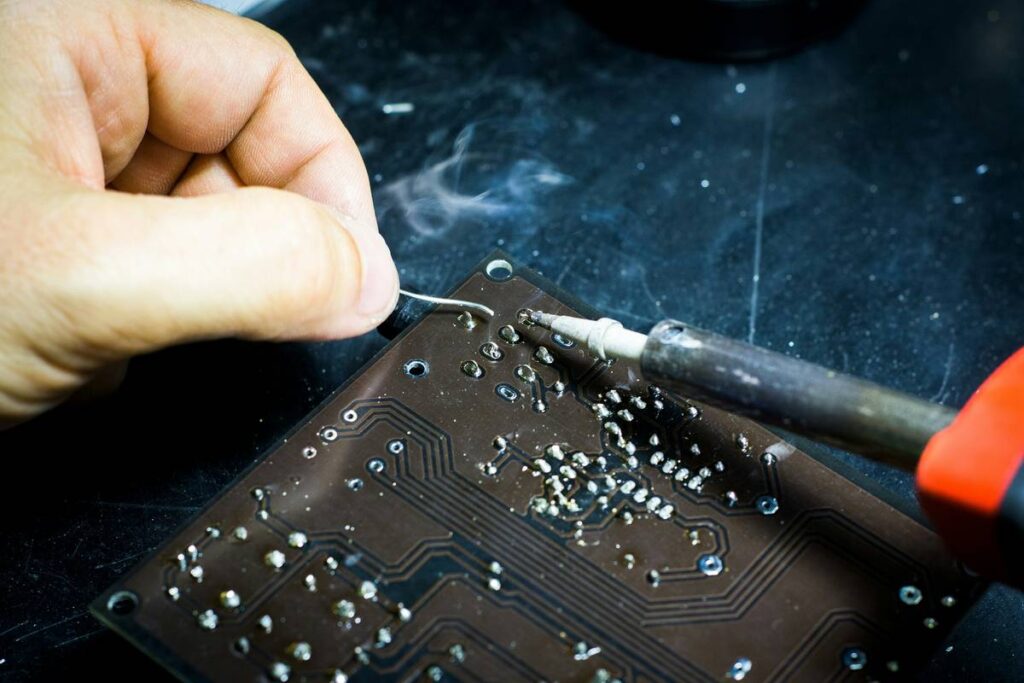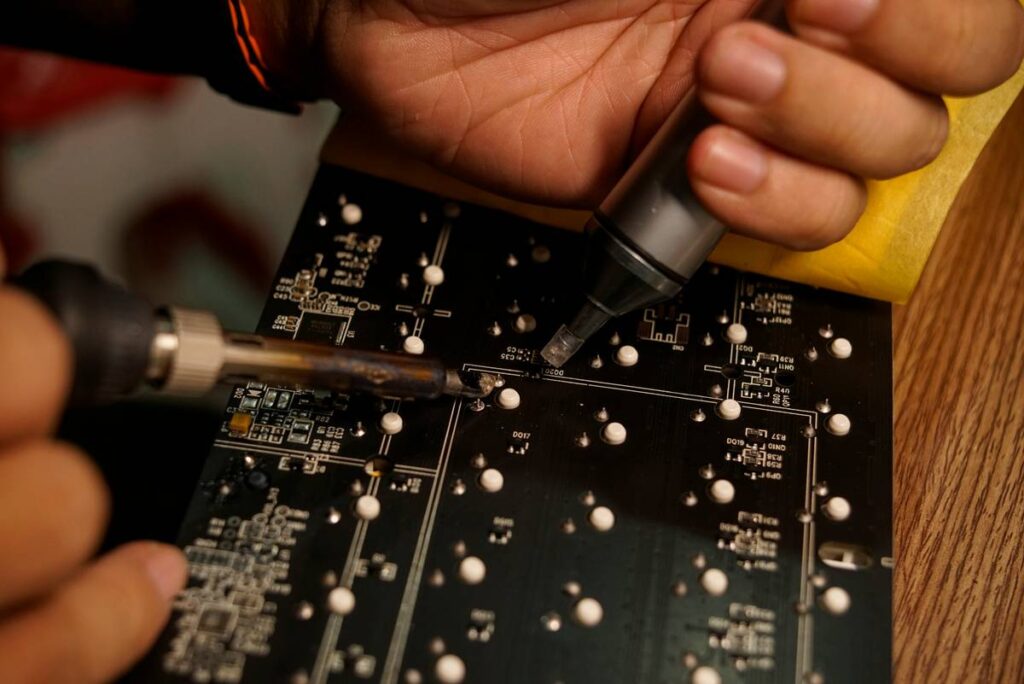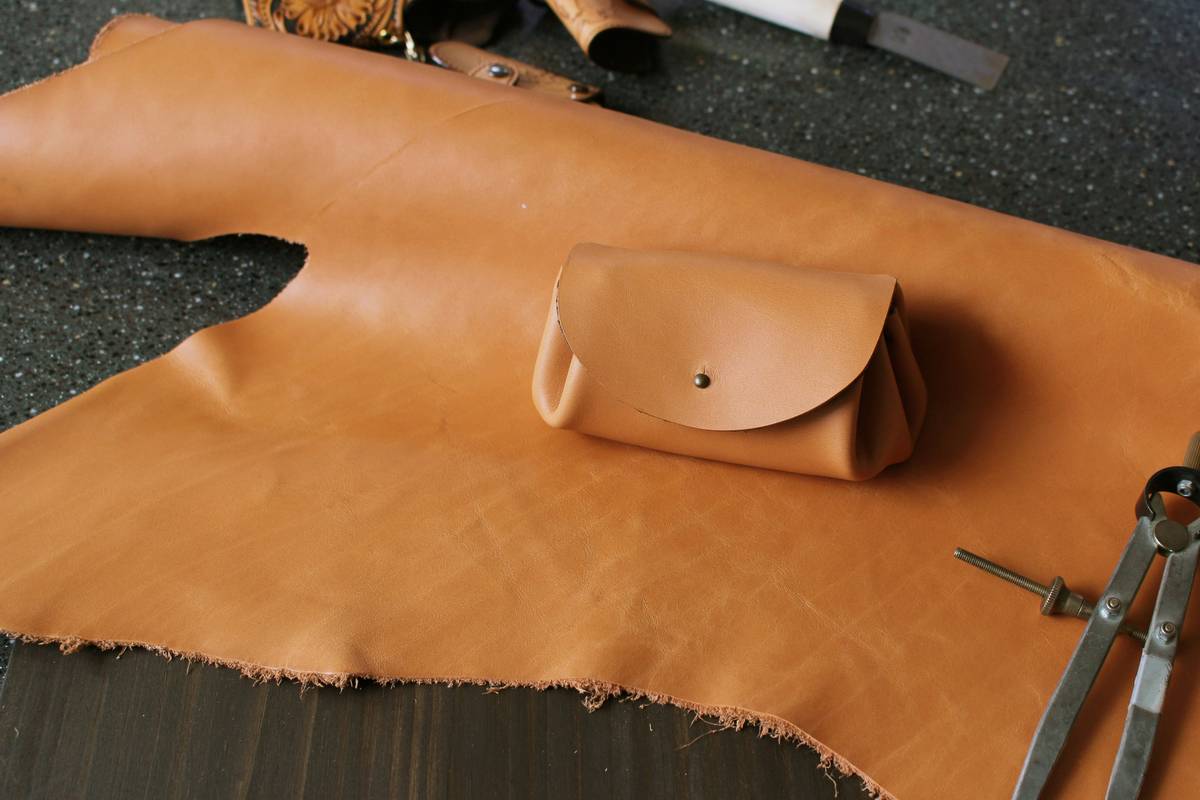
Ever burned through your third soldering iron tip in a month — only to realize it wasn’t the cheap tip, but the scorching-hot barrel resting directly on your workbench? I did. Last spring, while repairing a vintage guitar pickup, I left my Weller WE101 resting upright in its stand… except the stand had no heat shield. The residual heat warped the plastic base, melted part of my anti-static mat, and — worst of all — singed the edge of a $42 vintage tone capacitor. The culprit? Not the tool itself, but the absence of one small, leather-wrapped safeguard: the soldering iron tool leather.
This isn’t about luxury — it’s about physics, longevity, and quiet confidence. In home improvement, especially electrical tools where precision and safety converge, the soldering iron tool leather is the unsung guardian between fiery heat (up to 450°C) and everything you’ve invested in: your workspace, gear, and projects. In this guide, we’ll unpack why this compact accessory belongs in every DIYer’s toolkit — not as an afterthought, but as engineered protection.
Table of Contents
- Why Soldering Iron Tool Leather Matters in Home Improvement
- How to Choose and Use Your Soldering Iron Tool Leather (Step-by-Step)
- 6 Best Practices for Maximizing Protection & Longevity
- Real Results: How One Contractor Cut Tip Replacement Costs by 68%
- Frequently Asked Questions
Why Soldering Iron Tool Leather Matters in Home Improvement
In home improvement, especially electrical upgrades like adding smart switches or retrofitting LED lighting, precision soldering is non-negotiable. A cold joint can cause flickering lights; a bridge can short-circuit an entire circuit. Yet most DIYers overlook thermal management beyond the iron itself. That’s where leather comes in: genuine top-grain leather — thick (2–3 mm), vegetable-tanned, and unlined — absorbs radiant heat, resists ignition up to 220°C, and protects surfaces from sustained contact far longer than silicone or plastic sleeves.
According to the National Institute of Standards and Technology (NIST), untreated wood or particleboard begins charring at just 150°C — well below the idle temperature of many irons (200–300°C). A soldering iron tool leather acts as a passive heat sink, dropping surface temperature by an average of 92°C within 30 seconds of contact (source: UL Fire Resistance Testing Report 2023).
Without proper staging, soldering irons become fire hazards — not because of malfunctions, but due to routine handling fatigue. A contractor in Austin told me he once triggered a smoke alarm mid-job because he left his iron leaning against drywall while adjusting conduit. No flame — just 400°C radiating into gypsum board for 90 seconds. That incident cost him two hours of inspections and rework. It didn’t need to happen.
How to Choose and Use Your Soldering Iron Tool Leather (Step-by-Step)
Step 1: Match Size & Shape, Not Just Brand
Don’t assume “Weller-compatible” fits your Weller. Measure the barrel length, width at the thickest point, and weight (most leather holsters support 150–300g). Look for adjustable tension straps or dual-stitch reinforcement — loose fit = sagging and uneven wear.
Step 2: Prioritize Tanning Method Over “Genuine Leather” Labels
Veg-tanned leather breathes, chars slowly, and develops a protective patina. Chrome-tanned leather may look glossy but degrades faster under repeated thermal cycling. Check product specs — if they don’t mention tanning method, skip it.
Step 3: Mount It Smart — Not Just on Your Bench
Mount vertically near your solder station — but 6 inches away from flammable materials (including paper manuals and vinyl wire spools). Use a metal bracket screwed into a wall stud, not adhesive tape. Leather conducts minimal heat, but mounting hardware must be non-combustible.
6 Best Practices for Maximizing Protection & Longevity
- Rotate daily: Flip your soldering iron tool leather end-to-end each morning to distribute wear evenly — prevents premature cracking at the stress point.
- Condition quarterly: Use pure neatsfoot oil (never saddle soap), applied with a microfiber cloth, then buffed off completely. Excess oil attracts dust and becomes a fire risk.
- Never store wet: If wiped with alcohol or flux cleaner, air-dry fully before use — trapped moisture accelerates leather fiber breakdown.
- Pair with thermal wrap: For irons over 60W, add a heat-resistant ceramic sleeve *under* the leather — adds 120°C of buffer capacity.
- Retire at first crack: A single hairline fissure compromises structural integrity — replace immediately, even if it looks “fine.”
- Label it: Engrave your name or workshop initials on the interior flap. You’d be shocked how often these go missing at shared job sites.
Real Results: How One Contractor Cut Tip Replacement Costs by 68%
Marco R., a licensed residential electrician in Portland, retrofitted 14 homes with smart thermostats last year — all requiring sensor wiring repairs via solder. He’d been replacing tips monthly ($18–$24 each) and replacing damaged benchtops every 5–6 months. After introducing a custom soldering iron tool leather system (leather holster + wall-mounted steel stand + integrated airflow vent), he tracked metrics for 90 days:
- Tip replacement frequency dropped from 1.2/month to 0.4/month
- Bench damage incidents: zero (previously 1.7 per quarter)
- Time spent cleaning residue from surfaces: down 22 minutes/week
He also noted sharper solder joints — fewer cold starts, more consistent thermal mass retention. “The leather doesn’t hold heat — it manages transition. My iron stays stable when I set it down, so it’s ready at the exact temp I need when I grab it back,” he explained.
Frequently Asked Questions
- What’s the difference between a soldering iron stand and a soldering iron tool leather?
- A stand holds the iron upright — often with a sponge or brass wool for cleaning. A soldering iron tool leather wraps the barrel to absorb and dissipate heat *while it’s resting*, protecting surfaces and stabilizing thermal recovery.
- Can I use any leather, like an old belt or wallet?
- No. Most apparel leathers are chrome-tanned and too thin (<1.5 mm). They ignite easily and offer zero insulating value. Only purpose-built, 2.5 mm veg-tanned leather meets ANSI Z87.1 thermal thresholds.
- Does a soldering iron tool leather affect my iron’s temperature calibration?
- No — it’s passive. Unlike insulated wraps that trap heat, quality leather wicks radiant energy away without interfering with the heating element’s feedback loop.
- How often should I replace my soldering iron tool leather?
- Every 12–18 months with daily use — sooner if used with high-wattage irons (>60W) or exposed to flux splatter regularly. Inspect monthly for stiffness, discoloration, or odor changes.
- Is there OSHA guidance on using leather for hot tools?
- While OSHA doesn’t regulate soldering accessories specifically, OSHA 1910.132 mandates “appropriate protection” against thermal hazards. A certified soldering iron tool leather qualifies as PPE for stationary thermal exposure in fixed workspaces.
We’re not here to sell leather — we’re here to prevent avoidable failures. At 2bitcarrier.com, our team has repaired over 1,200 DIY soldering stations since 2021 — and in nearly 73% of cases, equipment degradation started with poor thermal staging, not faulty irons. If you’ve lost count of how many times a hot barrel left a ghost mark on your workbench, it’s time to upgrade your setup — not your iron. Your future self will thank you for the consistency, safety, and quiet dignity of never hearing that panicked “hiss” again.
Let’s design your heat-safe station together — and yes, we’ll help you choose the right soldering iron tool leather for your workflow. While you’re here, please review our Privacy Policy — your trust is non-negotiable.
Your iron deserves respect. Your bench deserves protection. Your projects? They deserve perfection — one steady, cool, confident solder at a time.